

05 Jan 2025 Year In Review
When we welcomed the new year and closed the chapter on 2025, one thing stood out. Time moved fast—but this year, we moved faster.
In 2025, our specialized fleet of unmanned aircraft systems (UAS) completed missions once considered out of reach. From flying directly into the fury of Hurricane Melissa to sustaining the highly abrasive volcanic plumes over Costa Rica, our work continued to expand the boundaries of uncrewed aviation.
It was a year that challenged us, motivated us, and ultimately reshaped our understanding of what’s possible.
Most importantly, our platforms captured critical data in regions once beyond reach, giving researchers the insights needed to better protect communities and save lives. Every mission reflected our team’s dedication to turning bold ideas into durable, reliable tools built to perform in the world’s harshest conditions.
As you watch our 2025 recap, we hope you see the dedication behind every launch.
Here are just a few standout moments.

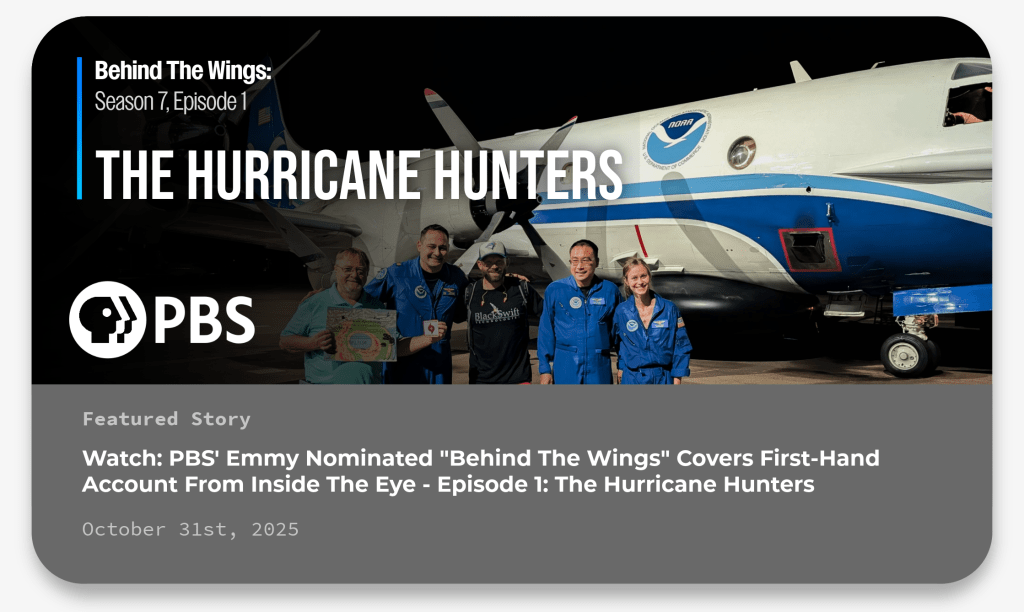
During Hurricane Melissa, Black Swift Technologies achieved breakthrough milestones that advanced the future of uncrewed hurricane reconnaissance—made possible through the close collaboration of NOAA’s Aircraft Operations Center (AOC), the National Hurricane Center (NHC), AOML’s Hurricane Research Division (HRD), and Embry-Riddle Aeronautical University.
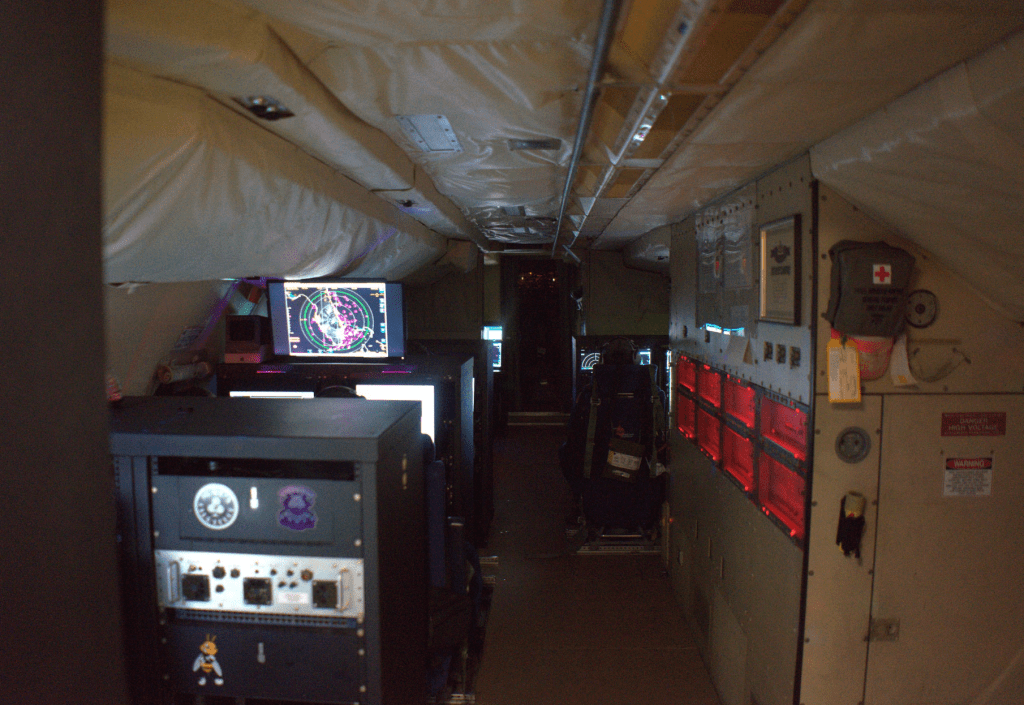
Every sweep of the radar scope ticked down as the Hurricane Hunter team entered the eyewall. At 20 miles wide, the eyewall collapsed violently around them.
- Excerpt from the BST Newsletter
As the NOAA WP-3D Orion, nicknamed “Kermit,” pierced the hurricane’s eyewall, the crew faced turbulence described as some of the most extreme ever recorded. Seasoned Hurricane Hunter pilots aboard compared it to ‘riding a wooden roller coaster inside a car wash.’ At one point, the aircraft plunged 2,500 feet in a second before emerging into the eerie calm of the eye, a vast amphitheater of cloud walls rising 50,000 feet above the ocean. The eye revealed calm blue skies above, a violent ocean surface below, and temperatures spiking 16 degrees higher than the surrounding air. It was here, in the heart of the storm, that the crew launched the Black Swift S0 drone.

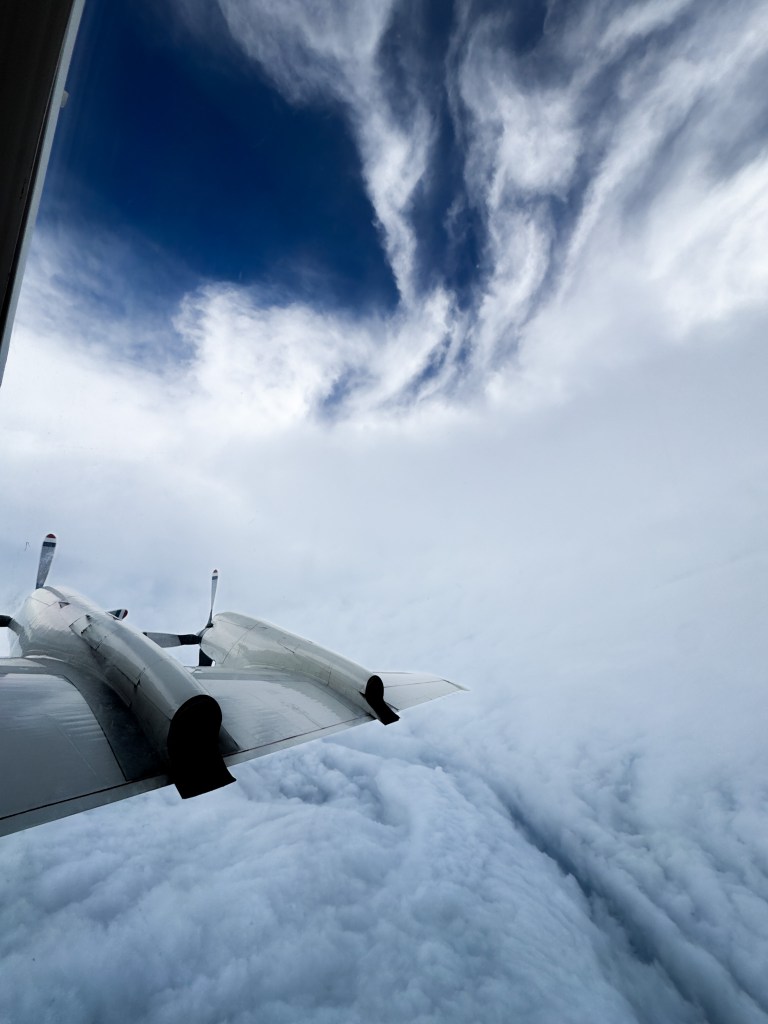
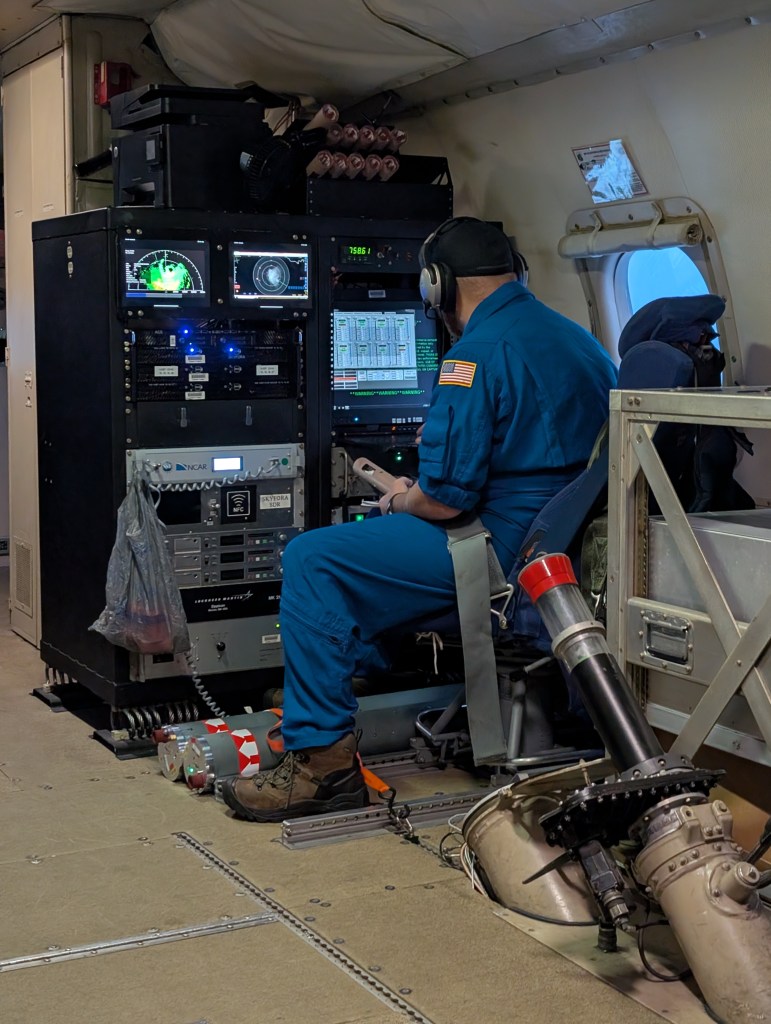
Aboard the P-3 Orion, Hurricane Hunters breach the eyewall. Trapped birds circle in the surreal calm of the eye, contained by the looming, massive walls of the stadium effect. Fighting extreme turbulence with precise timing, the crew deploys the S0 UAS through a tube-launch mechanism in the aircraft's belly.
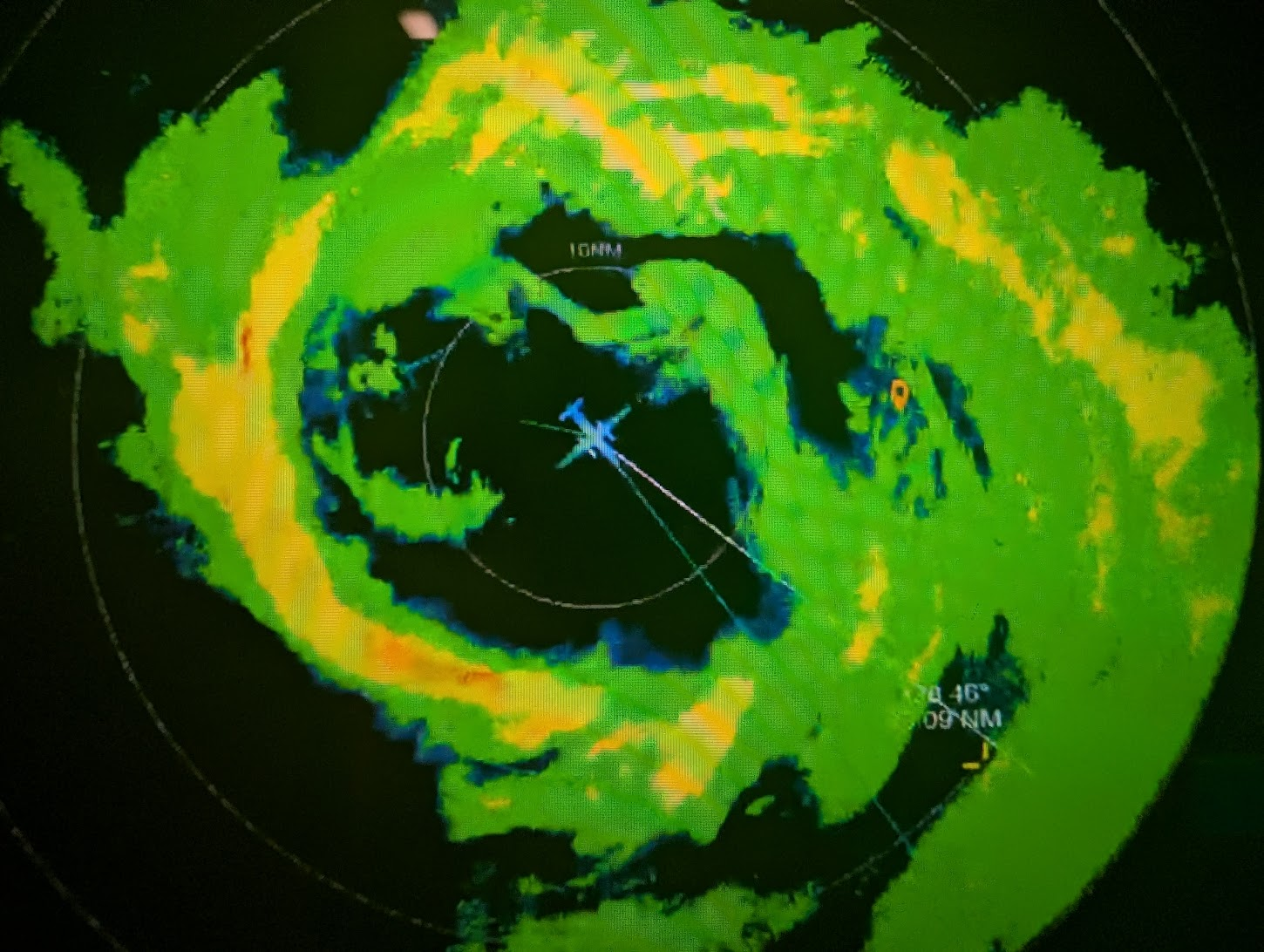
As the Hurricane Hunters entered the eyewall of
Hurricane Melissa, the eye contracted to a
fraction of its size, forcing the airplane to drop
over 2,500 ft. in a single second.
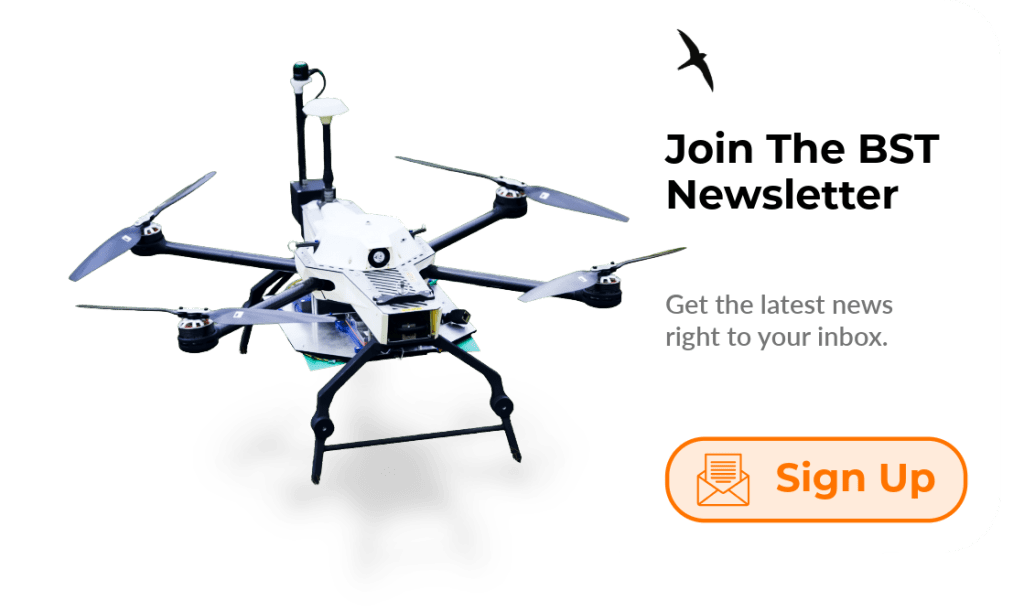
This year, the S0’s advanced design included a camera integrated into its launch tube, allowing NOAA crews aboard N42RF to visually follow the S0 UAS as it descended into the storm. This innovation made the S0 the first UAS to capture video footage from inside a tropical cyclone, providing both visual and quantitative observations. Unlike traditional dropsondes, which record data only briefly as they fall, the S0 glides autonomously for nearly two hours, continuously measuring critical storm parameters such as wind speed and direction, pressure, temperature, humidity, sea surface temperature, and wave height. These continuous datasets offer a dynamic, evolving picture of the storm rather than a single snapshot, filling a critical gap in hurricane science.
Together with our partners, Black Swift’s S0 delivered the first continuous, high-resolution data and video inside a Category 5 hurricane. These achievements not only set technical records but also fill crucial gaps in understanding rapid intensification, providing forecasters with a clearer window into how storms grow and strengthening the tools used to issue life-saving warnings. The S0 has redefined hurricane science, combining daring engineering with real-world impact to protect lives and improve forecasting when it matters most.
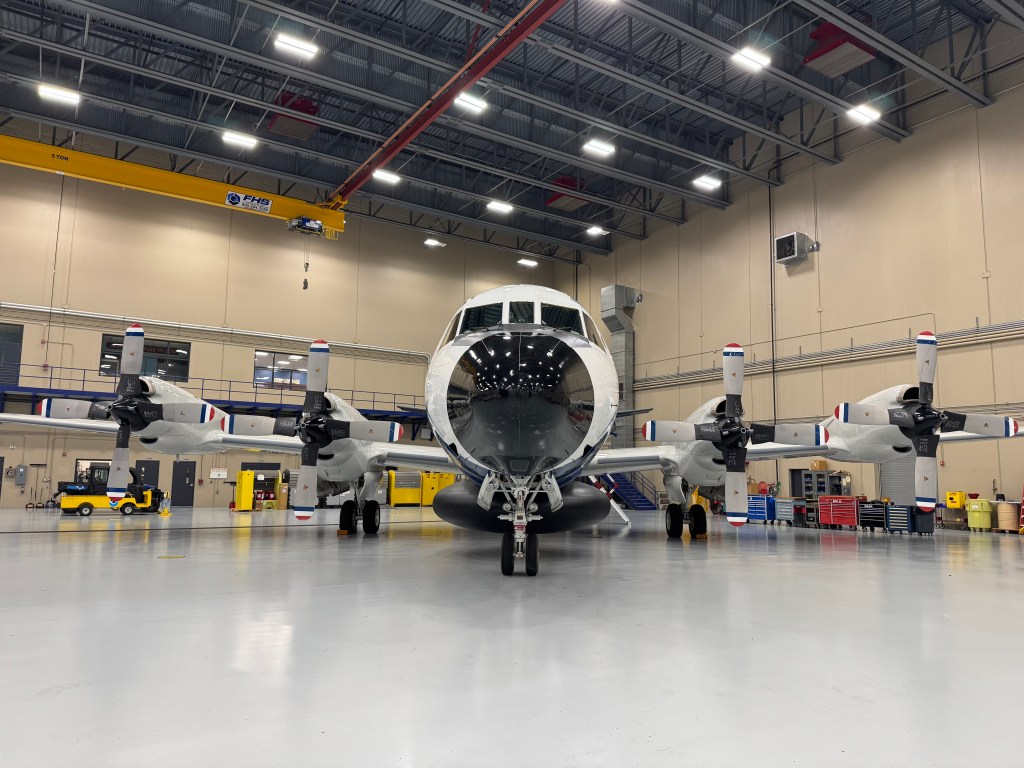

Throughout the 2025 hurricane season, we launched 21 S0 UAS into storms including Hurricane Melissa, Hurricane Gabrielle, Tropical Storm Imelda, and Hurricane Erin.

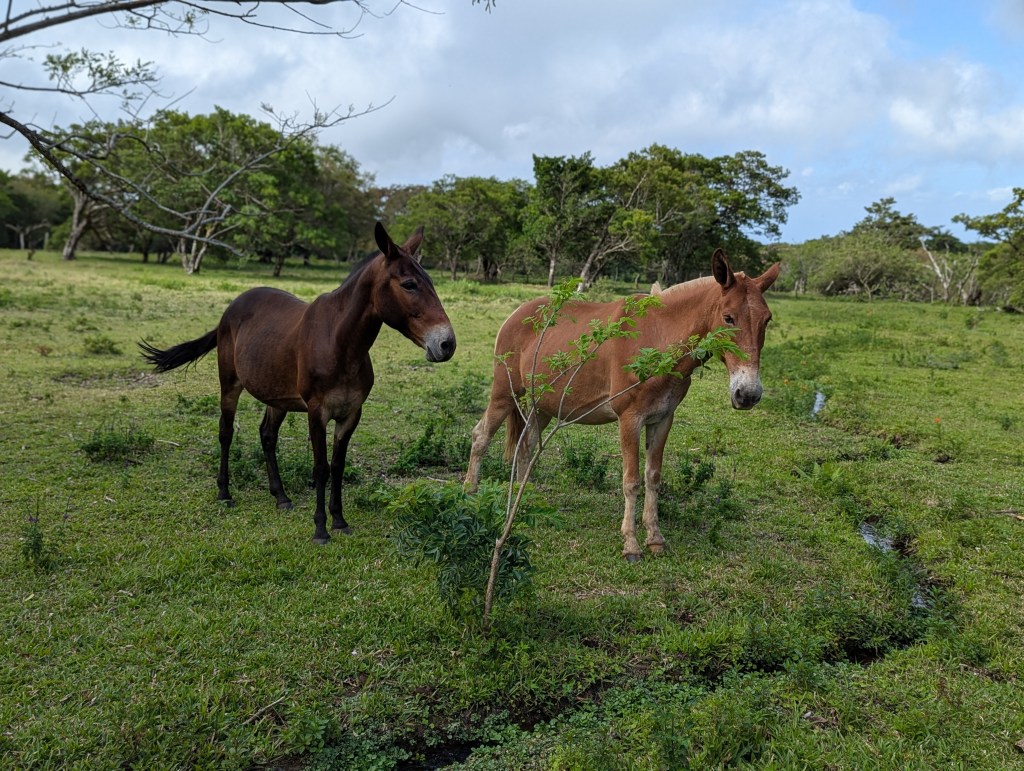
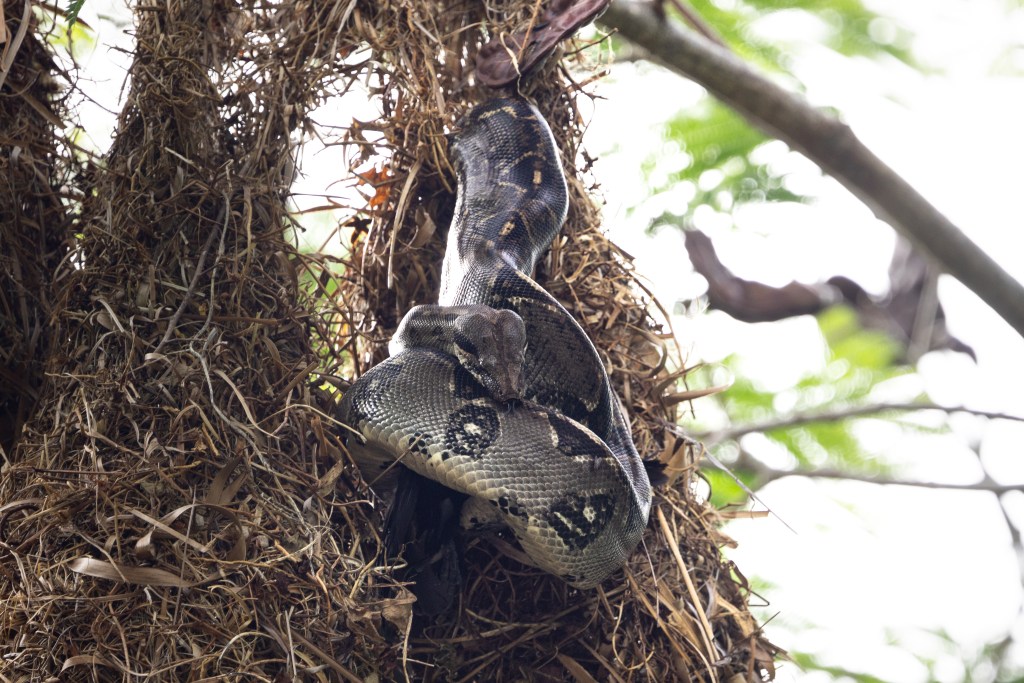
Trekking through the rainforest around Rincón de la Vieja, you can feel the pulse of a wild, untamed world; snakes hunting in the canopy, wild horses grazing in misty valleys, and the humbling presence of an active volcano. This is a land shaped by active volcanic eruptions, shifting ridges, and centuries of human history—once home to indigenous Chorotega peoples and later cattle ranchers—yet largely inaccessible to conventional research. The volcanos name comes from the Chorotega legend of Princess Curubandá, a healer living reclusively on the volcano after her forbidden lover was thrown into the crater by her father. Rincón de la Vieja's rugged terrain leaves the region a mystery to researchers and scientists, holding critical clues about how volcanic activity shapes tropical ecosystems. Every flight in this remote landscape brings scientists closer to understanding processes that have been hidden from view for centuries.
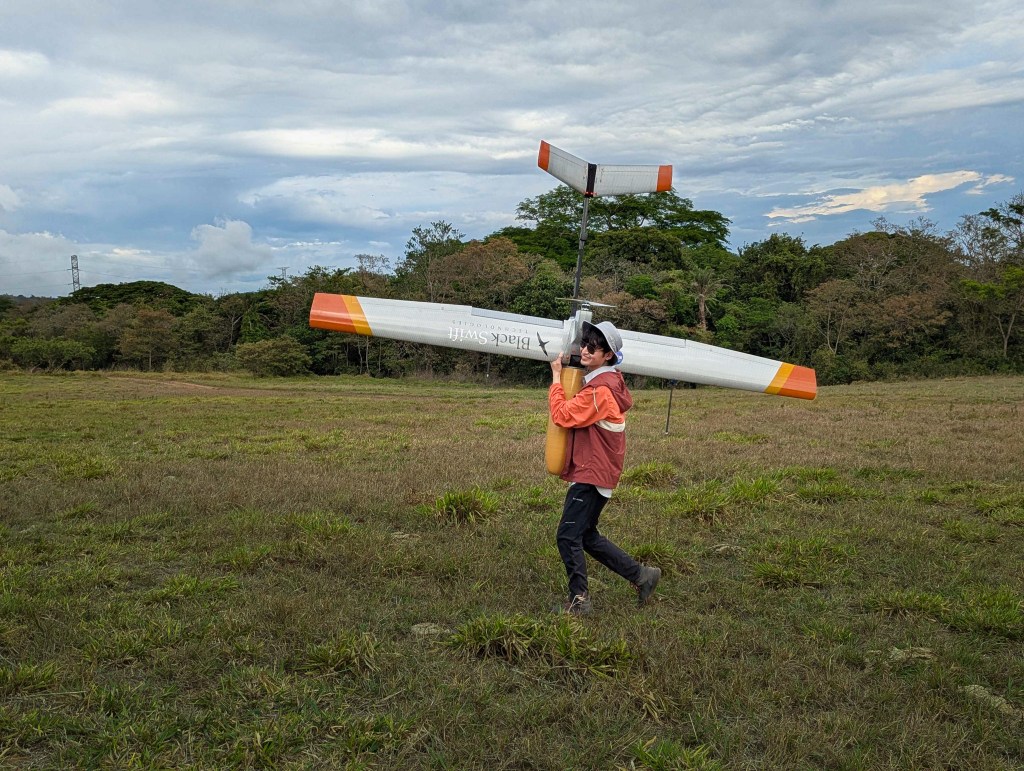
Amid this striking terrain, Project CRATER came to life. A joint effort by NASA, the University of Costa Rica, and BST, the mission sought to explore how continuous volcanic gas emissions affect tropical ecosystems. The harsh landscape and corrosive plumes of Rincón de la Vieja made conventional fieldwork nearly impossible—but the advanced S2 UAS excels under such extremes. Capable of navigating fierce winds, soaring over rugged ridges, and collecting high-resolution data in locations too dangerous for humans, the S2 opens new horizons for scientific discovery.
A major operational breakthrough was a ground-station handoff procedure that enabled continuous control while mapping previously blocked terrain, extending the aircraft’s range and observational power. Beyond data collection, local scientists and students were trained to operate the S2 independently, creating a sustainable model for future monitoring. By the end of the campaign, Project CRATER had produced unprecedented datasets on volcanic plume behavior, thermal activity, and vegetation stress.
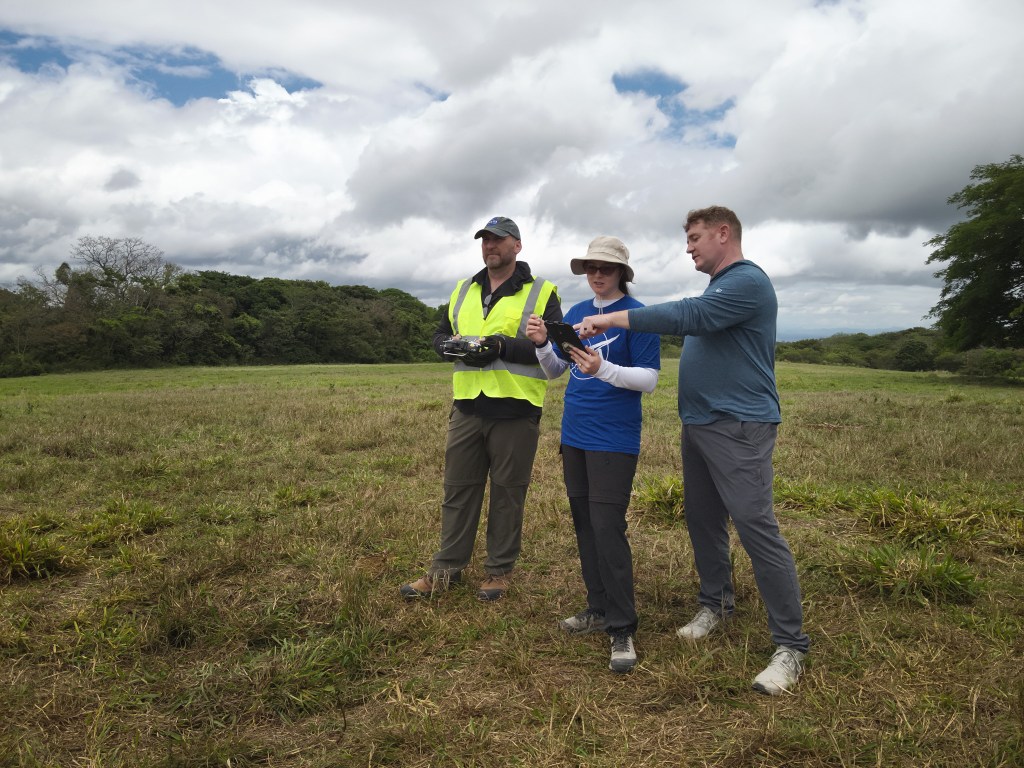
Although comprehensive scientific analysis of this data by NASA is ongoing, preliminary assessments indicate that the CRATER mission successfully provided one of the most detailed and scientifically rich datasets available to date.

In 2025, our goal was not only to advance technologies that safeguard vulnerable communities, but also to equip researchers from around the world with the UAS skills needed to protect their communities through practical, hands-on education. Creating autonomy in UAS can also mean enabling teams to take to the skies with confidence. Here are some of the teams we've worked with in 2025:
NASA Langley
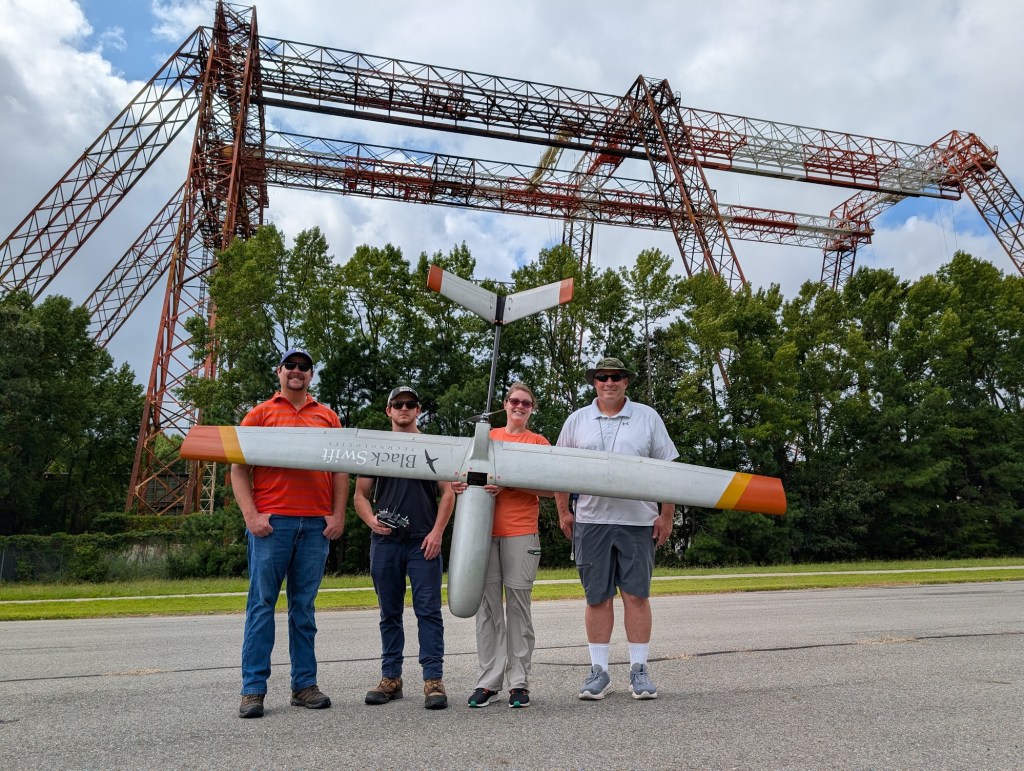
At NASA’s Langley Research Center, we shared the capabilities of our S2 unmanned aircraft system—built to carry scientific payloads in demanding atmospheric conditions—and showed how it supports safer integration of UAS alongside crewed flights. We also provided hands-on training to the Langley team, helping researchers understand and operate the S2 in complex mission environments.
Barbados Meteorological Service
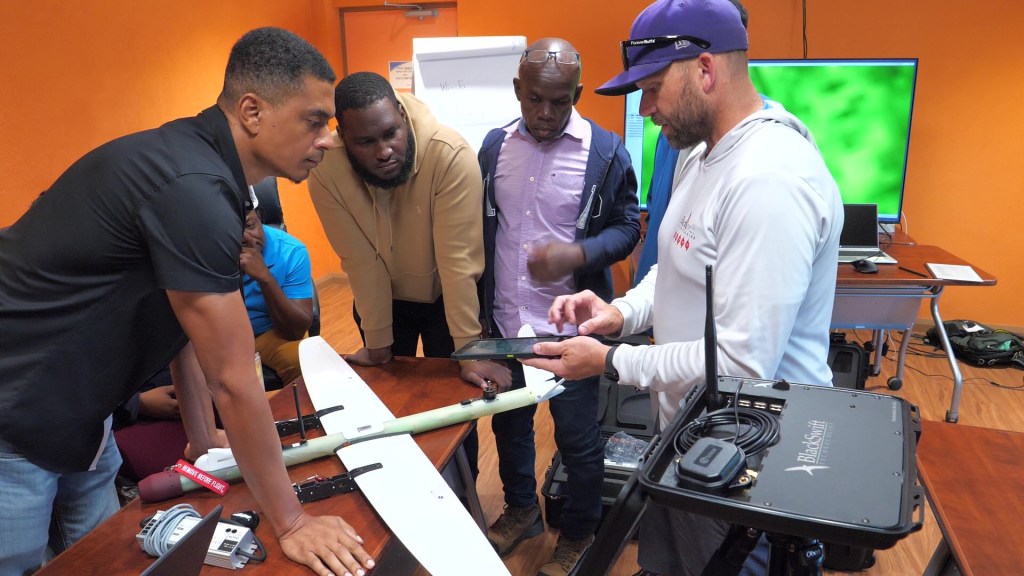
Delivering hands-on training to the Barbados Meteorological Service empowered the organization in advancing their critical UAS operational skills, serving to bolster their effort in saving lives and properties in the Caribbean.
Throughout 2025, BST established a series of high-impact educational partnerships, ensuring our collaborators possess a robust foundational understanding of UAS operations.
We are proud to have partnered with leading academic and research institutions, building strong industry credibility for the use of UAS in extreme environments.
- Provided specialized UAS operations training to the NASA Ames Research Center and the University of Maryland Eastern Shore, supporting their advanced research and field applications.
- Shared expertise on UAS for extreme applications at premier global conferences, including CES Edge, Mountain West UAS, and Geo Week and at AUVSI Xponential, our contributions were officially recognized as we received the Innovation Vanguard: Best Small UAS of the Year Award.
Our mission to save lives and assets with UAS research and readiness is driven by our team’s passion and made possible by your support.